Table Of Content
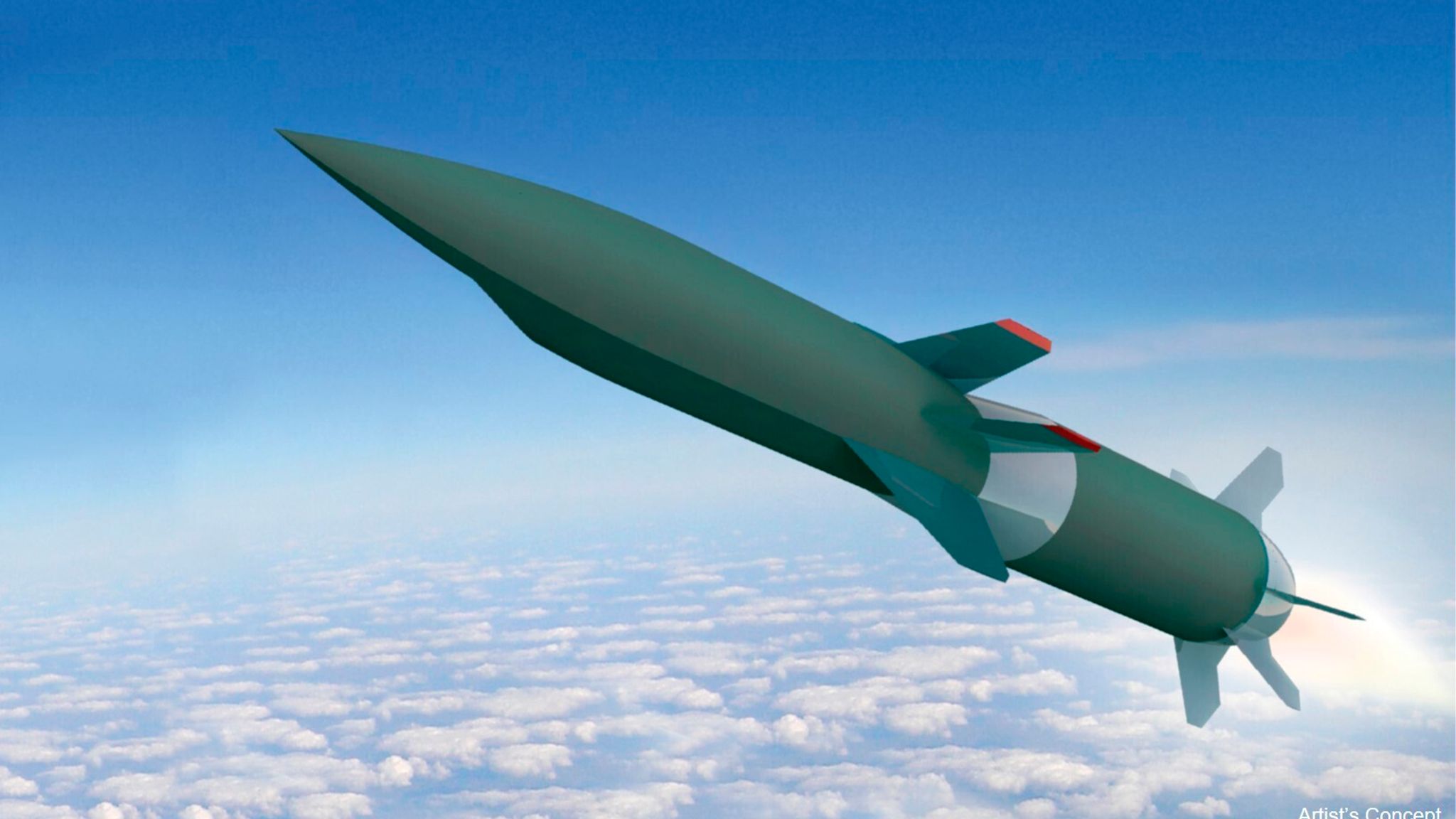
This eliminated the need for ALCM to fit in the B-1's bomb bay, and the length limitations that implied. The Air Force decided to cancel production of the A-model ALCM, and replace it with either an air-launched version of the SLCM, or the ERV. The ERV flew in August 1979, and was declared the winner of the head-to-head fly-off against the SLCM in March 1980.
Navigation
The Block Va variants will be named Maritime Strike and have the capability of hitting a moving target. Second, Congress should ensure that the Department of Defense builds on the work already in process for the SLCM-N. Left to its own devices, there might be a temptation for the defense bureaucracy to take another look at military requirements and conduct a new analysis of alternatives. But this temptation should be resisted, as this work was done by the previous administration.
AGM-86C/D
The W80-4 warhead, now under development by NNSA for the LRSO, could be adapted for use in the SLCM-N. The decision to reintroduce the SLCM-N was not taken lightly in the 2018 Nuclear Posture Review; it was evaluated for need, cost, the burden on the US Navy, and how it might affect other nuclear modernization programs then underway. The expansion of Russian and Chinese regional nuclear forces made this decision necessary. Russia maintains about two thousand “tactical” nuclear weapons that can be deployed on land, at sea, and delivered by aircraft. China possesses about one thousand regional missiles that can be armed with conventional or nuclear warheads. None of these weapons are limited by treaty, and they far exceed US regional nuclear capabilities—a disparity noticed by US allies.
ALCM
The defense of Guam is, indeed, one of the most important new initiatives of the Biden administration. Indo-Pacific Command, the matter only first appeared in the 2022 and 2023 budget requests. As with CMD-H, the problem of Guam further defies the homeland-regional dichotomy of yesteryear.
AGM-158 JASSM
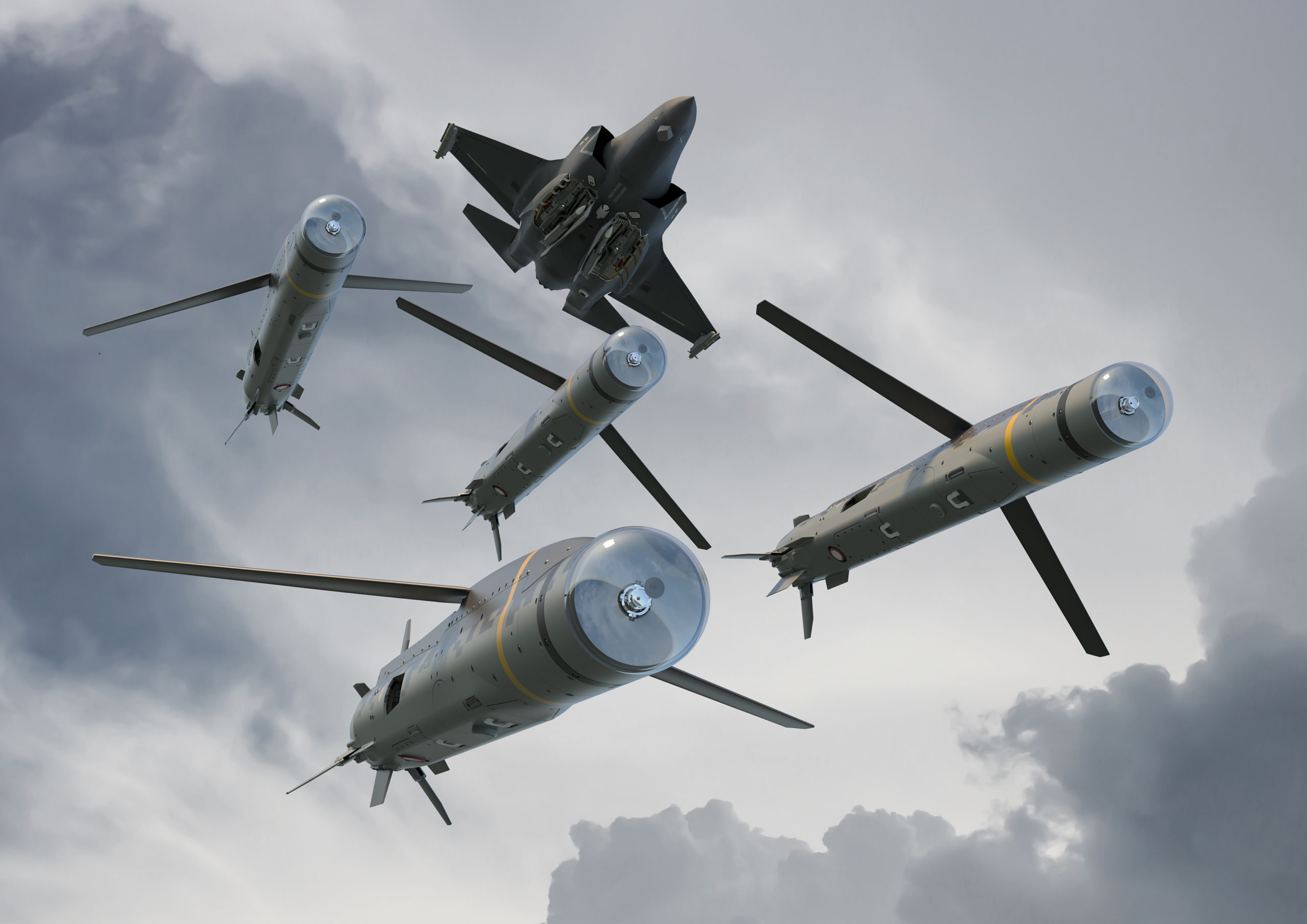
The main outcome of the United States Navy submarine missile project was the SSM-N-8 Regulus missile, based upon the V-1. But China’s losses were far greater, and more important to the war’s outcome. Nearly 140 Chinese ships sank to the bottom of the Pacific Ocean, including most of the transport ships hauling and supplying the invasion force. While American submarines accounted for many of the sinkings, it’s the bombers—USAF B-1s, B-2s and B-52s armed with JASSM-ERs and flying from bases well outside the range of Chinese missiles—that inflicted the most destruction. The document omits past discussions on directed-energy missile defense systems.
Significant costs can be avoided by modifying existing or planned missiles rather than commencing a new developmental program. The Long Range Stand Off missile (LRSO)—a replacement for the current air-launched cruise missile—is already under development and may be adaptable for use on a submarine. Likewise, the US Navy should evaluate whether the current fifth-generation Tomahawk sea-launched cruise missile could be suitable for this role. After all, a previous version was employed with a nuclear warhead during the Cold War.
But lest anyone in Washington, Tokyo or Taipei prematurely declare victory over Beijing, CSIS’s analysts pointed out one huge uncertainty. The missile’s infrared seeker expects the contrast and clutter you typically see over dry ground. Eric Wertheim, author of Combat Fleets of the World, compared the SM-6 to the carrier-launched F/A-18 fighter, which is equally capable of dogfighting and ground-attack missions. The SM-6 “does for VLS tubes what the multi-role F-18 did for carriers,” Wertheim said. If the whole U.S. fleet sortied at once, it could bring 10,000 missiles to bear. But not all of those munitions would be useful in any particular battle.
Problematic development
China rebukes US deployment of missiles in Indo-Pacific - Voice of America - VOA News
China rebukes US deployment of missiles in Indo-Pacific.
Posted: Fri, 19 Apr 2024 12:35:00 GMT [source]
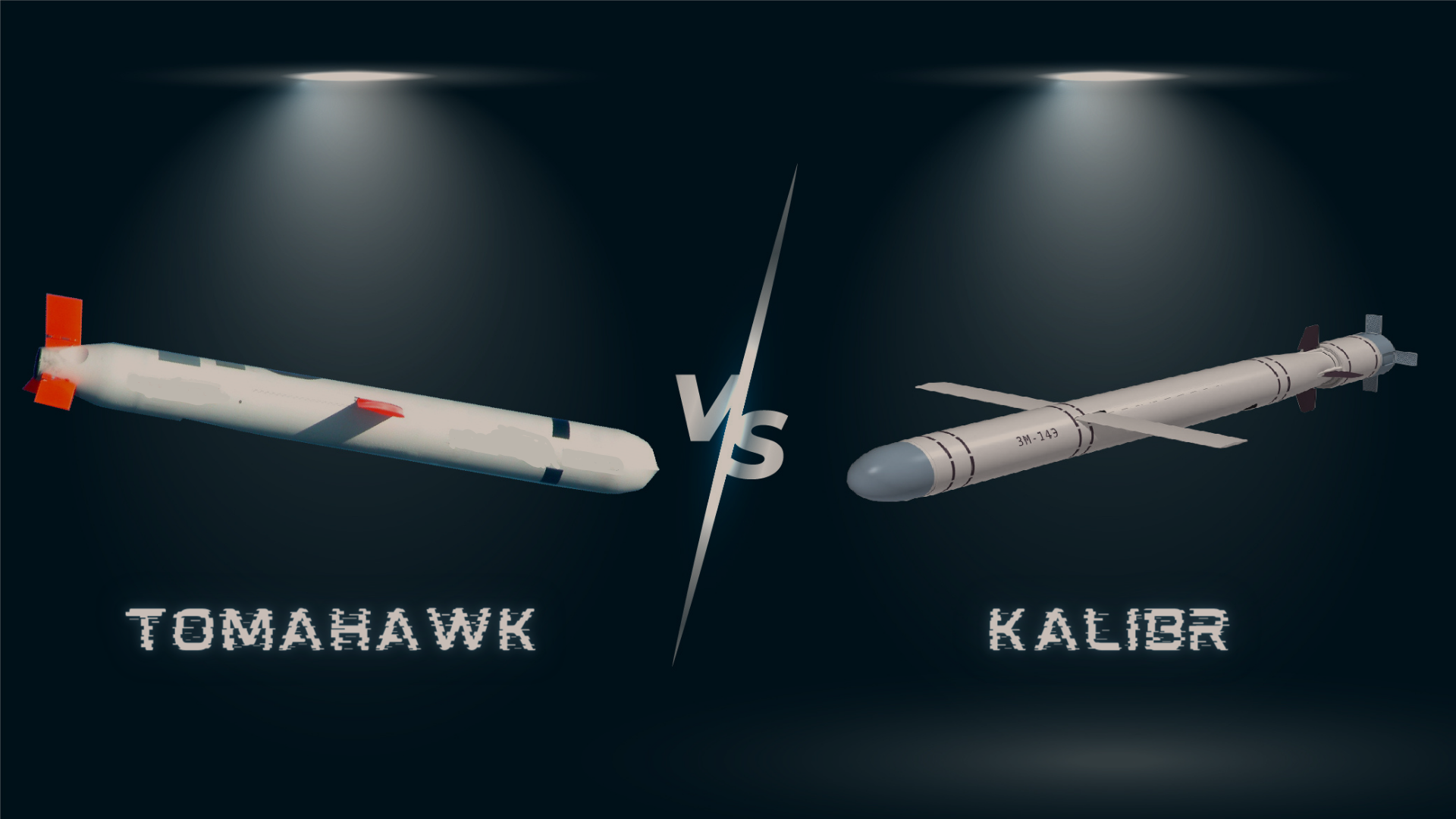
Over 3,000 AGM-86Bs were scheduled for procurement starting in 1982, but by 1986, production was terminated in favor of the AGM-129. Between 1982 and 1986, 1,715 AGM-86Bs were produced.9 Currently, the stockpile has been reduced to around 528. In 1998, a life extension program was initiated to refurbish the nuclear warheads carried by the AGM-86B and is expected to keep them operational through 2030, until its expected replacement, the Long-Range Standoff Weapon (LRSO), enters service. During the opening salvos of a regional attack, military planning calls for sea-based Tomahawks to be used to compromise and suppress enemy air operations and defenses. Tomahawks may be retasked in flight, possibly circling for a period before their human handlers select another target for them to attack.
The LRSO entered development under the Obama administration, but the SLCM-N joined the future arsenal following the Trump administration’s Nuclear Posture Review. A Navy analysis recommended developing the SLCM-N as a nuclear variant for the Next-Generation Land Attack Weapon (NGLAW), which is intended to replace the ship- and surface-launched Tomahawk. Enter the SM-6, a highly-evolved variant of the basic Standard Missile that, for half a century, has defended the U.S. and allied fleets from enemy aircraft and missiles. The 22-foot, two-stage missile, a Raytheon product, entered service in 2013.
CMD-H must also include engagement capabilities; its sensors must include those capable of combat identification and fire control quality tracks. That paragraph highlights modern over-the-horizon radars for “improving warning and tracking against cruise missile and other threats to the homeland.” The same criterion must be applied to the emerging space sensors. It is not good enough to provide “strategic and theater missile warning and tracking.” Sensor architectures must also support fire control. One of the strengths of the 2019 MDR was its broader description of missile threats, to include ballistic, cruise, and hypersonic missiles. The Trump administration’s actual programmatic and budgetary implementation of hypersonic and cruise missile defense, however, were quite modest.
Not coincidentally, the Chinese fleet is only beginning to equip its major surface combatants with missile cells. Consider the Ticonderoga-class cruisers, 27 of which commissioned between 1983 and 1994. The oldest five cruisers—now decommissioned—came with old-style launchers, each capable of firing just one or two missile types. Which is why, during a key moment in naval development in the early 1980s, the U.S.
In the category of hypersonic weapons, scramjet-powered cruise missiles are seen as a more affordable and versatile option than the larger and more expensive hypersonic glide vehicles, such as the air-launched Lockheed AGM-183A. Tomahawk is a long-range, all-weather, subsonic cruise missile in service with the surface ships and submarines of the US and the UK’s Royal Navy. Originally produced by General Dynamics, Tomahawk is currently manufactured by Raytheon. After two years of debate with the Biden administration, it passed, on a bipartisan basis, the National Defense Authorization Act for Fiscal Year 2024 with instructions to begin the SLCM-N program and achieve operational capability of the SLCM-N by 2034. The list is intended to aid senior decision makers balance budgetary needs and synchronize support across the services and DOD in support of missions like air and cruise missile defense of the homeland, he said.
India is currently developing hypersonic BRAHMOS-II which is going to be the fastest cruise missile. These missiles are about the same size and weight and fly at similar speeds to the above category. These missiles travel faster than the speed of sound, usually using ramjet engines.
Often variants of the same missile are produced for different launch platforms (for instance, air- and submarine-launched versions). AMD is necessary not only for fixed infrastructure, but for “joint maneuver forces.” It is all well and good to move swiftly around the battlefield, but loitering munitions and cruise missile targeting has dramatically improved. With limited room to move on a small island like Guam—where launchers have little place to be repositioned—it may not be worth the time and expense to require AMD elements to be fully mobile. When one must defend what one cannot move or hide, fixed emplacements may be good enough.
The 22 younger Ticos were built with Mark 41 vertical launch systems in place of the old-style launchers. Each Mark 41 cell is compatible with Standard air-defense missiles, Tomahawk land-attack cruise missiles, Evolved Sea Sparrow point-defense missiles and ASROC anti-submarine rockets. Raytheon was awarded a $346m production contract for 473 Tomahawk Block IV cruise missiles in March 2006. The contract includes 65 submarine torpedo tube-launched missiles for the Royal Navy. By authorizing and funding the SLCM-N, Congress took a very important step toward bolstering nuclear deterrence in an increasingly dangerous world. But it must now pay attention to how the Department of Defense executes its decision in the coming years.


No comments:
Post a Comment